|
|
|
|
|
x |
 |
|
x |
|
|
|
|
|
x |
|
|
|
x |
|
General |
|
|
| Home | ||
| About Us | ||
| My CV | ||
| Photo Gallery | ||
| .x | ||
| Rigs | ||
| Jack-Up | ||
| Semi-Submersible | ||
| Drillship | ||
| Platform | ||
| FPSO | ||
| DSV | ||
| .x | ||
| Getting A Job | ||
| Introduction | ||
| Where To Start | ||
| Applying For A Job | ||
| Roughneck Schools | ||
| Contact Addresses | ||
| Following Up | ||
| What To Expect | ||
| Rig Crews | ||
| Life Offshore | ||
| Tips | ||
| Promotion | ||
| Summary | ||
| Final Word | ||
| . | ||
| Miscellaneous | ||
| Contact Others | ||
| Glossary Of Terms | ||
| Other Useful Sites | ||
| Scams & Conmen | ||
| South African's Page | ||
| Other Cleddau Sites | ||
| Chat Room | ||
| . | ||
| . | ||
| . | ||
| . | ||
| . | ||
| . | ||
| . | ||
| . | ||
| . | ||
| . | ||
| . | ||
| . | ||
| . | ||
| . | ||
| . | ||
| . | ||
| . | ||
| . | ||
| . | ||
| . | ||
| . | ||
| . | ||
| . | ||
| . | ||
| . | ||
| . | ||
| . | ||
| . | ||
| . | ||
| . | ||
| . | ||
| . | ||
| . | ||
| . | ||
| . | ||
| . | ||
| . | ||
| . | ||
| . | ||
| . | ||
| . | ||
| . | ||
| . | ||
| . | ||
| . | ||
| . | ||
| . | ||
| . | ||
| . | ||
| . | ||
| . | ||
| . | ||
| . | ||
| . | ||
| . | ||
| . | ||
| . | ||
| . | ||
| . | ||
| . | ||
| . | ||
| . | ||
| . | ||
| . | ||
| . | ||
| . | ||
| . | ||
| . | ||
| . | ||
| . | ||
| . | ||
| . | ||
| . | ||
| . | ||
| . | ||
| . | ||
| . | ||
| . |

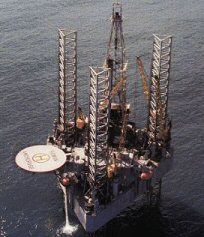 Jack-up
Drilling Rig
Jack-up
Drilling Rig